
The Tejas Hall of Fame
The proof, three years in.
Chapter Two
This isn't what most people were taught. Not because it's fringe — because it was left out.
What's on this page is genuinely different information than what most readers have been exposed to: well-researched, source-backed, and largely absent from the textbooks that shaped everyone's default picture of history. Tejas is built for whichever kind of reader brought you here.
You just want to know what's true.
Not a cause, not an agenda — the truth is the whole point.
You think the past holds keys the present forgot.
You want the raw material — a real, undistorted history — to build something new with: a career, a research direction, a way of solving problems almost nobody else is positioned to see.
You feel something's missing.
A fuller, more accurate picture of where this knowledge comes from is part of feeling whole — not nostalgia, just an honest accounting of what actually happened.
Whichever one of these is you — here's what that information actually looks like.
Chapter Three
What Makes It Indic
Eight ideas, eight books, one underlying lens — on loneliness, feminism, character, dharma, wealth, mathematics, public health, and what the ancients actually knew.
On Loneliness
Indic thought understands humans as fundamentally interdependent — built to exist in society, not apart from it. Coexistence isn't a nice-to-have, it's the design. And there's a sharp, deliberate line between solitude (chosen, restorative) and loneliness (a rupture of that interdependence).
On Feminism
The Indic definition of feminism was never about sameness with a man. It's the opportunity, the freedom, and the power to reach one's own highest potential — on one's own terms, not someone else's yardstick.
On What Made Ram, Ram
Ram may be the oldest deeply-documented person on Earth whose story is still told, in detail, today. What made him who he was wasn't his birth, his skill, or his prowess — it was how he responded to what life threw at him: his restraint, his respect for boundaries. Those responses are the lessons he left behind, not his résumé.
On Dharma Being Subtle
Dharma isn't black and white. It's nuanced — specific to time, place, and situation. The responsibility for applying a dharmic framework falls on each person's own discernment. That's precisely what makes Dharma empowering rather than prescriptive.
On Dharma-Bound Wealth
Economic historian Angus Maddison estimates India accounted for roughly 30–32% of the world's GDP and population from 1 CE to 1000 CE — genuine, sustained prosperity (the British loot from India alone is estimated at £45 trillion). Yet that success never drove the world toward destruction or exploitation. Why? Because pursuit of Artha (wealth) was always bound to Dharma — self-restraint built into the framework itself.
On Who Actually Built Mathematics
The book traces a natural, progressive development of mathematics in ancient India — a trace that simply doesn't exist in the historical record for the West or the Middle East. The evidence shows information flowing from India to Egypt (Alexandria), then Spain (Toledo), then Britain. Crediting the West rather than the actual source is, at best, disingenuous.
On a Vaccine Woven Into Culture
Vaccination was practiced routinely in ancient India — not as a clinical procedure, but as ritual, woven into daily life and celebrated as culture, with a devi and a mandir built around it. Decentralized and community-held, except for one sensitive step: storage of virulent material, entrusted only to a select group of Banarasi Brahmins.
On What the Ancients Actually Knew
In the original Valmiki Ramayana, Sugriva describes the world to his search parties in detail accurate enough to be mapped against real geography today. An account this accurate can't simply be dismissed as fiction. So what did the ancients actually know — and what technology would have had to exist for them to know it?
Chapter Four
The Journey So Far
2025
Alumni came back as volunteers. A book club formed on its own. Teenagers interviewed world luminaries on POTS.
See Tejas '25 →2026
Single track, four genres in one reading list. New finale city: Houston.
See Tejas '26 →Chapter Five
Every Subject, One Civilizational Lens
19 books and series across 3 years — medicine, mathematics, economics, AI, fiction, feminism. This isn't a shelf of religious texts.
Itihasa & Epics
Ramayana Unravelled
Ami Ganatra
2024
Valmiki Ramayan (web series)
21Notes / Yashodeep Deodhar
2025
Feminism
Draupadi
Saiswaroopa Iyer
2024
History & Civilization
Chhatrapati Shivaji Maharaj
Shivaprasad Mantri
2024
The Incredible History of the Indian Ocean
Sanjeev Sanyal
2024
Revisiting the Educational Heritage of India
Sahana Singh
2025
Ancient Geography, Flora & Fauna
Sugriva's Atlas
Nilesh Oak & Deepali Patwadkar
2026
Science & Mathematics
The Imperishable Seed
Bhaskar Kamble
2024
Brief History of Science in India
P.A. Sabareesh
2024
Scientific Yogi
Tulsi Arora
2025
Medicine & Public Health
Shitala
Mitra Desai
2024
Together
Vivek Murthy
2024
Philosophy & Self-Help
Being Different
Rajiv Malhotra
2025
Mahabharat Unravelled II
Ami Ganatra
2025
Economics
Dharmanomics
Sriram Balasubramanian
2025
Spirituality & Science
Spirience
Swami Bhadreshdas, BAPS
2026
Technology & AI
The Age of Artificial Intelligence
Subhash Kak
2026
Contemporary Fiction
Immortals of Meluha
Amish Tripathi
2025
108: An Eco-Thriller
Dheepa Maturi
2026
Chapter Six
The Authors
18 authors and creators across 3 years.
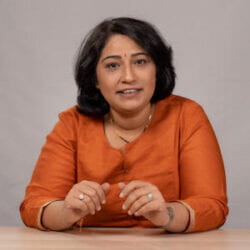
Mitra Desai
2024
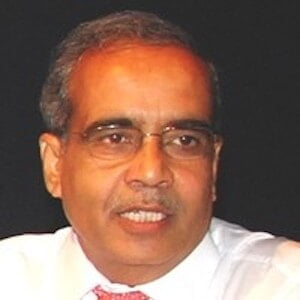
Shivaprasad Mantri
2024
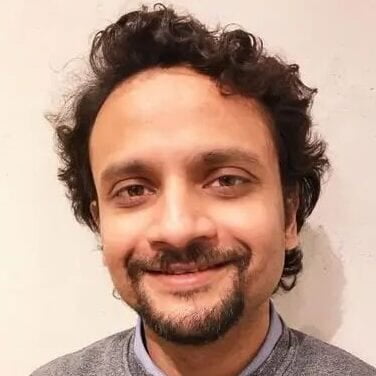
Bhaskar Kamble
2024
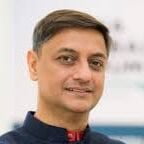
Sanjeev Sanyal
2024
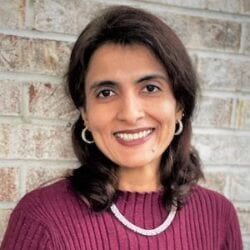
Ami Ganatra
2024 & 2025
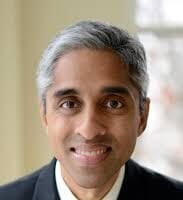
Vivek Murthy
2024
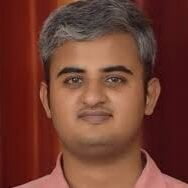
P.A. Sabareesh
2024
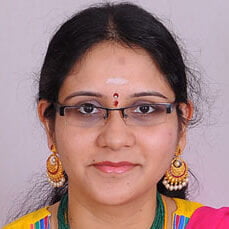
Saiswaroopa Iyer
2024
Amish Tripathi
2025
Tulsi Arora
2025
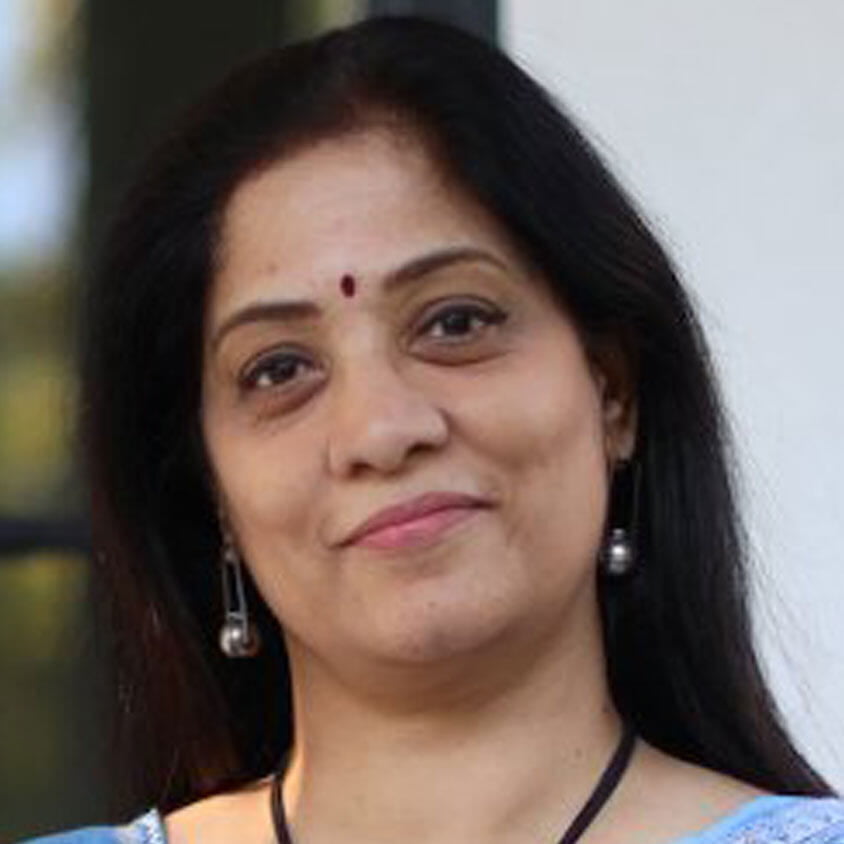
Sahana Singh
2025
Yashodeep Deodhar
2025
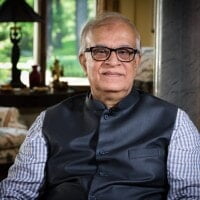
Rajiv Malhotra
2025
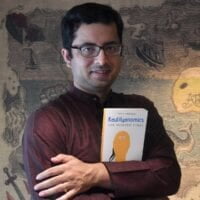
Sriram Balasubramanian
2025

Dheepa Maturi
2026
Swami Bhadreshdas
2026
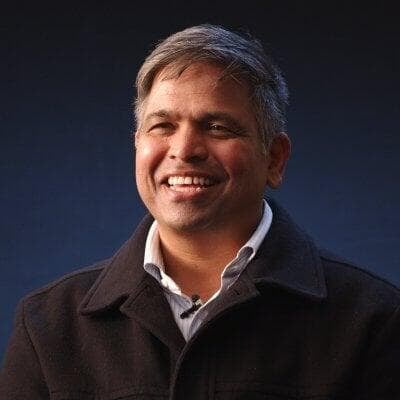
Nilesh Oak & Deepali Patwadkar
2026
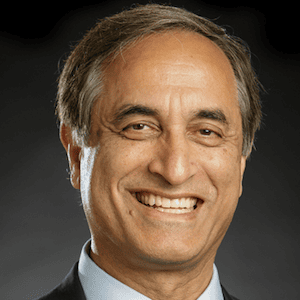
Subhash Kak
2026
Chapter Seven
The Winners Wall
Every named Tejas winner, across every year. This wall pulls directly from each year's own page.
2024 — Year One
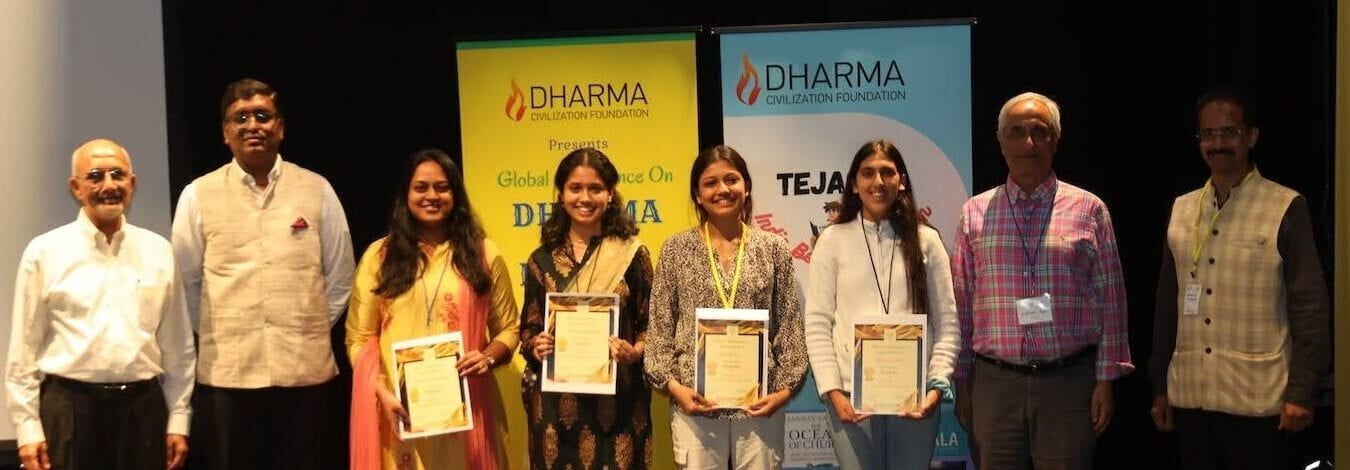 2024 Winners
Add winners' names here
2025 — Year Two
Add winners' names here
2026 — Year Three
Add winners' names here
Chapter Eight
By the Numbers
California, Texas, and New Jersey lead by a wide margin — but reach now stretches coast to coast, into states that weren't part of the story in Year One.
Participants by State — All-Time
Chapter Nine
Cast Your Vote
Open to everyone. Results are shown permanently on this page.
Favorite Book
All-time, all 3 years
Voting opens with launch — UI shown for design review.
Favorite Author
All-time, all 3 years
Voting opens with launch — UI shown for design review.
Most Transformational Book
All-time, all 3 years
Voting opens with launch — UI shown for design review.
Chapter Ten
Voices Across the Years
I cannot wait to see DCF grow Tejas each year and witness the generations of Indian American children and young adults who will rediscover pride in their civilizational roots.
The books they read were amazing fodder for thought and provoked extremely engaging conversations at our dinner table almost every day.
Reading the chosen books has altered me on a fundamental level and fast-tracked my journey on the path of dharma.